
Gevangen in het verkeerde systeem II: Back to Basics.
Een diepgaande analyse van het speelveld waarin SBN opereert — en de richting die daaruit logisch voortvloeit.

Squash heeft in Nederland een bond die onbedoeld in een systeem opereert dat haar eigen bestaansrecht ondermijnt. Niet uit onwil, maar omdat het squashlandschap fundamenteel verschilt van het verenigingslandschap waarop het bondsmodel is gebaseerd. Waar "Gevangen in het verkeerde systeem" die mismatch blootlegde, gaat deze analyse een stap verder: wie zijn de actoren, wat drijft hen, en waar ligt de enige hefboom die voor SBN daadwerkelijk werkt?
De dynamiek van het speelveld
Het Nederlandse tennissysteem is georganiseerd via verenigingen die zijn aangesloten bij de KNLTB. Een speler is lid van de KNLTB via de vereniging en dus niet direct. De vereniging is geen optionele laag, maar de primaire structuur waarbinnen de sport functioneert. Verenigingen organiseren de sport en de bond organiseert de verenigingen. Om dit systeem in stand te houden ontvangt de bond een jaarlijkse bijdrage per speler via NOC*NSF. Tennis is daarmee ingericht als een verenigingssport zonder winstoogmerk.
Squash wijkt daar fundamenteel van af. De sport wordt gespeeld in commerciële centra waar baanbezetting en opbrengst per baan leidend zijn. Lidmaatschap is geen basisstructuur, maar een keuze. De sport is daarmee ingebed in een systeem waarin commerciële exploitatie en contractvrijheid centraal staan. Squash moet niet kostendekkend zijn, maar winstgevend.
De actoren binnen het speelveld
Binnen dit speelveld heeft SBN zich te verhouden tot drie actoren: de speler, de club (vereniging) en het centrum. De speler is de gebruiker van de sport, maar geen structurele organisatorische basis. Het centrum bezit de infrastructuur en stuurt primair op bezetting en rendement. De club organiseert spelers binnen de sportieve context, vergelijkbaar met de rol die verenigingen in traditionele verenigingssporten als tennis vervullen.
Elk van de actoren wordt gedreven door eigen belangen en prikkels, wat er door de tijd heen toe heeft geleid dat de voorzitter van de club en de eigenaar van het centrum in veel gevallen dezelfde persoon zijn. De veronderstelde spanning tussen clublogica en centrumlogica speelt zich daarmee niet af tussen twee partijen, maar intern, binnen één actor die tegelijk zowel commercieel exploitant als sportieve organisator is. Deze combinatie van rollen is op zichzelf niet problematisch, maar heeft wel als structureel gevolg dat de commerciële centrumlogica dominant is en de clubrol ondergeschikt of onvoldoende ontwikkeld. Daarmee werd de club onderdeel van het verdienmodel.
SBN heeft richting individuele spelers en commerciële centra niets structureels te bieden. De speler heeft de bond niet nodig om te squashen, het centrum niet om banen te verhuren. Richting clubs ligt dat fundamenteel anders: een club heeft een bond nodig voor organisatie, legitimiteit en ondersteuning. Die wederzijdse afhankelijkheid maakt de club de enige werkbare ingang voor SBN.
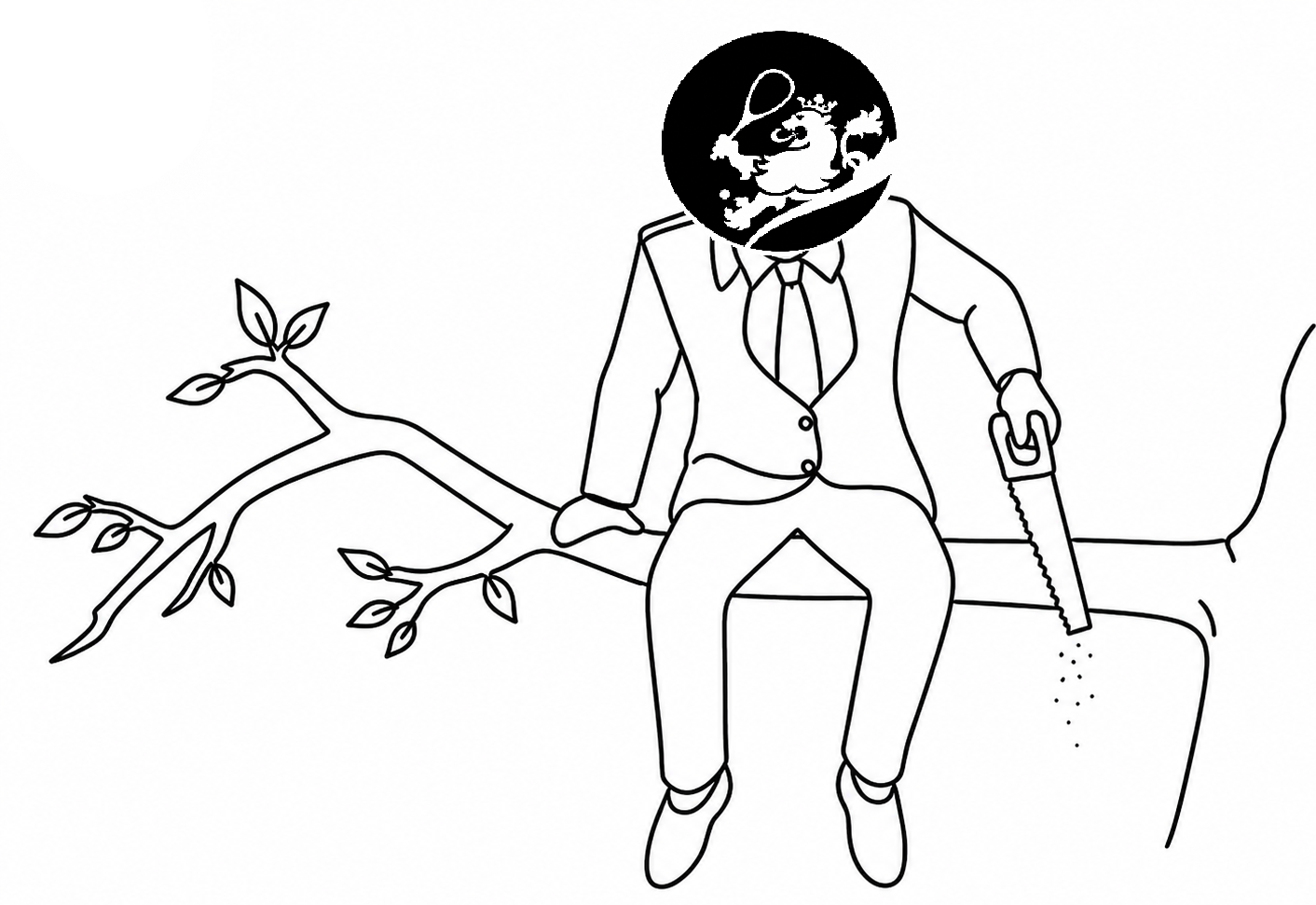
In herinnering zij daarbij gebracht dat een bond die spelers direct bindt of commerciële centra bedient zich de facto opstelt als marktpartij, een rol waarvoor zij niet is ingericht en die haar legitimiteit als systeemorganisator ondermijnt. Hiermee ondergraaft zij haar eigen aanspraak op NOC*NSF-financiering, een bijdrage voorbehouden aan bonden die de sport organiseren, niet aan partijen die haar commercieel bedienen. De strategie die de financiering moet opleveren, zet SBN per definitie buitenspel als begunstigde van diezelfde financiering — en SBN zaagt daarmee de tak af waarop zij zit.
Structureren en organiseren
De rol van SBN ligt nadrukkelijk niet in het rechtstreeks binden van individuele spelers, maar in het organiseren van de structuur waarin clubs effectief kunnen functioneren. Omdat clubvoorzitter en centrumeigenaar doorgaans dezelfde persoon zijn, richt SBN zich in de kern op één gesprek met de centrumeigenaar als dubbele actor.
De boodschap aan die actor is niet normatief maar strategisch: een sterke club is goed voor zijn eigen bezetting en omzet. SBN helpt hem inzien dat investeren in de clubstructuur zijn commerciële belang dient en biedt vervolgens de ondersteuning om die club daadwerkelijk invulling te geven. Dat betekent concreet: het bieden van kaders voor een werkbare balans tussen banen, leden en contributie, én het ondersteunen van clubs bij het opbouwen en laten groeien van hun ledenbestand.
Een simpel rekenvoorbeeld maakt de onderliggende dynamiek zichtbaar. Faciliteert een centrum één ledenbaan per 40 leden en rekent de club € 500 contributie per jaar, dan verzekert het centrum zich van een baanomzet van € 20.000 per jaar. Diezelfde omzet realiseert hij door één ledenbaan per 100 leden te faciliteren bij een contributie van € 200 per jaar. Het behoeft waarschijnlijk geen uitleg dat bij € 200 de drempel om lid te worden van een club aanzienlijk lager ligt — en daarmee de kans op een stabiele, groeiende clubbasis structureel groter. Binnen deze bandbreedte bepaalt de eigenaar van zowel centrum als club welk model hij kiest. Die keuze is economisch, maar heeft directe consequenties voor de sportieve levensvatbaarheid van de club.
Wanneer SBN zich op die manier positioneert, volgt lidmaatschapsregistratie logischerwijs uit deelname. Het is geen afzonderlijke keuzehandeling meer, maar ingebed in de organisatorische structuur van de sport. De rol van SBN verschuift daarmee van ledenorganisatie naar systeemorganisatie. Niet het optimaliseren van individuele deelname staat centraal, maar het activeren van de centrumeigenaar in zijn clubrol en het inrichten van de randvoorwaarden waaronder die rol kan renderen. Alleen daar ontstaat een structuur die duurzame sportieve én economische waarde oplevert. Een strategie die primair inzet op het direct binden van individuele spelers mist de enige hefboom die binnen dit systeem daadwerkelijk werkt en is daarom niet levensvatbaar. Nu het speelveld en de actoren bekend zijn, is er echter een goede basis om het tij te keren.